It feels great to have left the very cold & wet winter behind us with the optimism of spring in the air as the crops come out of their dormant period in time for us to be released from our Covid lockdown period!!
In this blog post I talk about what we have been up touching on hedge laying, tree felling, our success on being enrolled onto the countryside stewardship scheme and our plans for the next three months.
Seed Mixture
I’m pleased to write that the crops have weathered the large amounts of snowfall & rain that have occurred during this winter pretty well. We are still deciding on what seed mixture to drill into our fallow areas and in small trial plots we are growing some varying options which I will leave to comment on during my spring blog, but the next few weeks are crucial to see how our Oil Seed Rape fairs and if it can escape the clutches of the larvae from the Cabbage Stem Beetle. There are no alarming signs just yet, so fingers crossed!
Oil Seed Rape
There has been little to no activity in the fields since October apart from trying to protect our Oil Seed Rape (OSR) from the pigeons grazing with the strategic placing of gas guns in those areas of the fields where the crop is more sparse or suffered from water logging following the high levels of rain & snow fall this winter. Compared to last year the crop has established well going into the winter with a good plant cover across the fields, so it should respond well now it has been top dressed with some fertiliser. Then we can be assured that the crop will grow out of harms way from pigeon attack.
Rain Fall
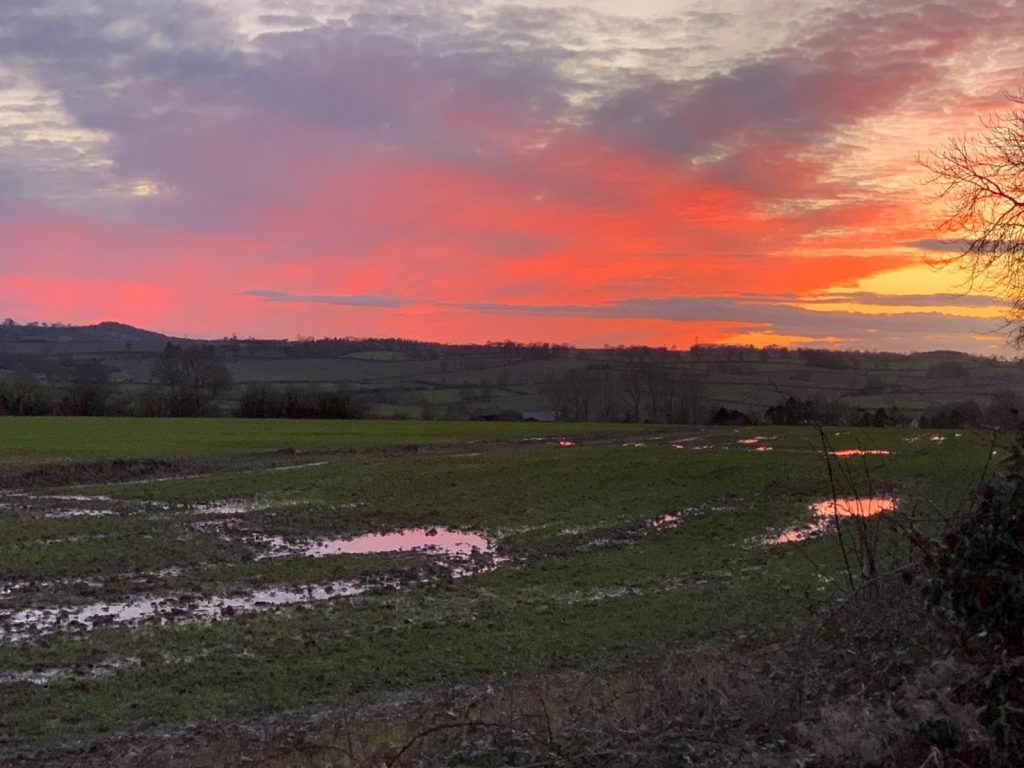
Looking at our rain schedule this year as compared to last winter January & February have been just as wet so we must hope that we get the dry March – May we had last year to enable us to get some cover crops drilled into fallow land which we still have in our rotation.
Tree Felling & Planting
The bulk of the activity over the last couple of months has been in the woods where we have been busy thinning predominantly dying or dead Ash trees from the Dieback disease, originating from Asia. It is expected to kill 80% of all Ash trees in the UK according to the Woodland Trust and will change our landscape forever, threatening many species which rely on Ash.
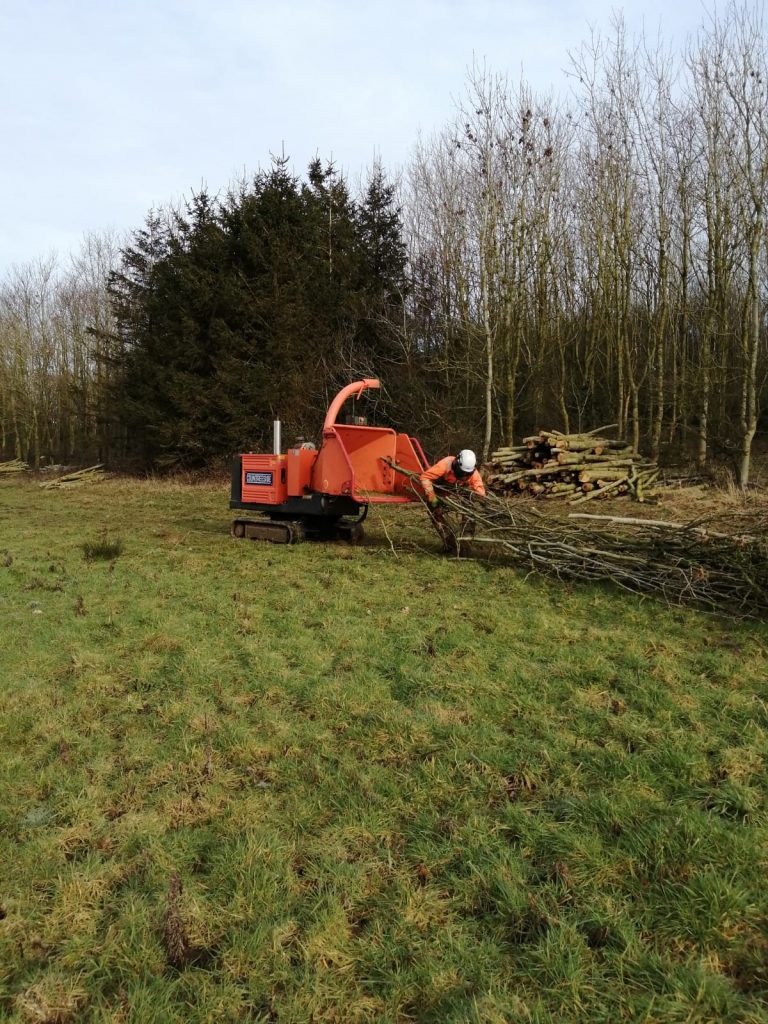
Many of our woods are around 15 to 18 years old so would naturally be thinned now taking out the weaker specimens to enable the stronger trees to flourish. We have also been underplanting post thinning replacement canopy trees to substitute the loss of Ash, and have chosen a mixture of native species predominantly Oak & Hornbeam, plus small leaved Lime & Sweet Chestnut which currently we are limited of on the estate, so this will increase our overall variety of trees. We are also planting some Western Red Cedar for the first time giving some conifer cover as it is a good shade tolerant tree and should grow well amongst the existing Oak & remaining healthy Ash.
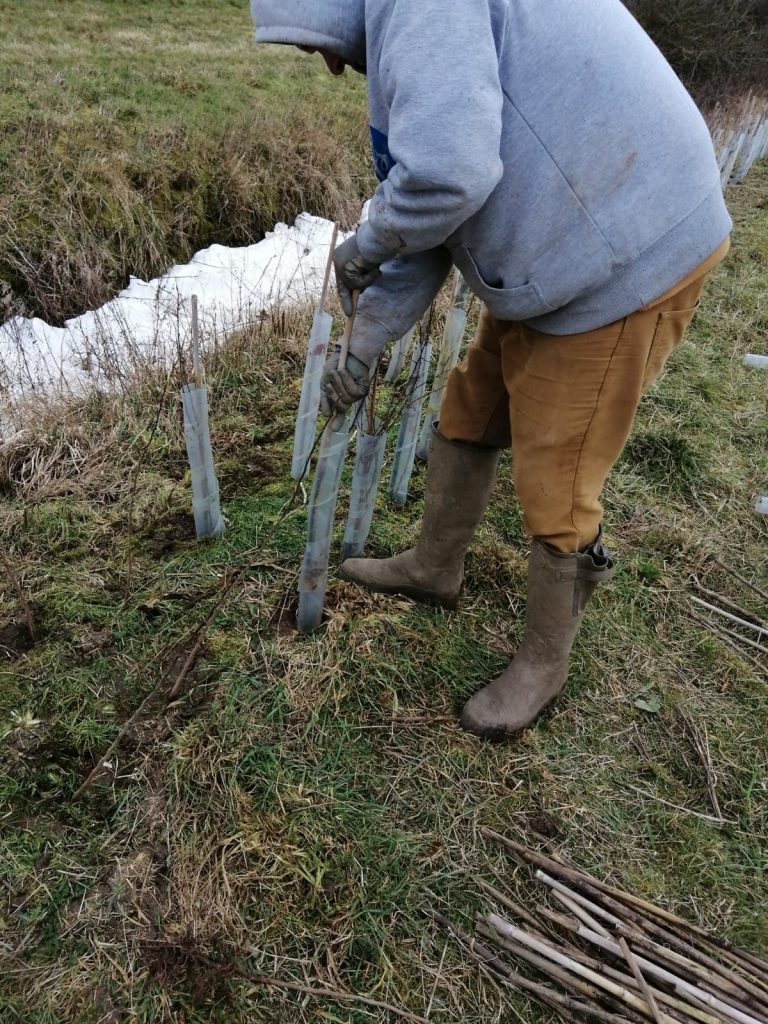
There has also been lots of gapping up of hedges enhancing the wild life corridors as well as some hedge laying. The bird nesting season starts in earnest on March 1st and all felling & woodland disturbance actions are then prohibited until September 1st when the cycle of hedge maintenance and woodland management can resume.

Countryside Stewarship Scheme
The Burrough Farm has been accepted onto a new Countryside Stewardship scheme so my next report will relay the activities in the field drilling various wild flower & nectar mixes, where our aim is to benefit the wild life on the ground plus the birds, bees & butterflies. As well as enhancing the general beauty of the landscape over this area of east Leicestershire that we are fortunate to live & work in.
